Source Strong Curtain Track Pulley for Living Rooms, Offices, and Kitchens
Find a strong curtain track pulley among 30 available options for living rooms, offices, and kitchens. Buyers can compare specifications like material, control type, and customization to select the right solution for their window treatments; compare the available evidence and request quotations based on your requirements.
Key considerations
Products List


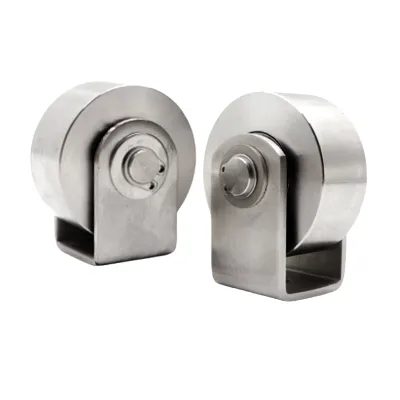


Comprehensive Sourcing Guide
Strong Curtain Track Pulley Sourcing Guide
Procuring a robust curtain track pulley system requires distinguishing between basic manual tracks and advanced motorized solutions that integrate with smart home ecosystems. The market offers diverse configurations, including tubular motors and wall switches, which dictate the complexity of the installation and the necessary electrical infrastructure. Buyers must first determine if the application demands simple chain control or sophisticated smartphone and voice command integration to ensure the selected hardware aligns with the intended user experience.
Material selection is equally critical, as the structural integrity of the pulley system depends on whether the track is constructed from plastic, metal, or aluminum alloy. While some listings indicate plastic components for specific models, heavy-duty applications often require aluminum alloy or metal tracks to support the weight of curtains and withstand frequent operation. Verifying the composition ensures the system will not deform under load, particularly in large windows or high-traffic commercial environments where durability is paramount.
Product Scope and Observed Listing Signals
The available product listings reveal a wide spectrum of customization options, ranging from standard sizes to fully customized dimensions for length and width. Suppliers frequently offer tracks in various styles, including modern horizontal slat structures, with specific models like the B28/C19 curtain track indicating specialized track systems. This variability allows buyers to source components that fit unique architectural openings, whether for living rooms, bedrooms, or office spaces, without being constrained by rigid off-the-shelf measurements.
Observations of packaging and origin suggest that most units are manufactured in China and shipped in protective cartons with plastic bags or air bubble film to prevent damage during transit. The listings also highlight specific attributes such as beige or white finishes and plain patterns, which must be matched to interior design requirements. Buyers should note that while some products are designed for daily use, others may include specific holiday applications, necessitating a clear definition of the intended usage scenario before placing an order.
Technical Specifications to Verify
Buyers must rigorously verify the control type and automation features to ensure compatibility with existing building infrastructure. The market includes options ranging from manual chain controls to advanced systems featuring sunlight sensors, remote controls, and voice control capabilities. Confirming whether the motor is a tubular type and if the mounting option is inside or outside is essential, as these factors directly impact the installation process and the final aesthetic of the window treatment.
Dimensional accuracy and material composition are other non-negotiable technical parameters that require immediate attention. Specifications such as a 1-inch size or specific standard dimensions like 3.71.31.4 cm must be cross-referenced with the physical requirements of the curtain fabric and the track's load-bearing capacity. Additionally, verifying the composition, such as 100% polyester for fabric components or aluminum alloy for the track, ensures the system meets the functional needs for sound insulation, heat retention, and insect resistance.
Compliance and Safety Documentation
Safety and compliance documentation are vital for commercial projects where building codes and occupational safety standards are strictly enforced. While some listings mention certifications like SGS, buyers should explicitly request test reports and compliance certificates that verify the mechanical safety of the pulley mechanisms and the electrical safety of any motorized components. Relying solely on general claims without documented proof can lead to liability issues if the equipment fails or causes injury during operation.
It is also necessary to confirm that the product standards align with international or regional safety regulations relevant to the destination market. Although ISO 9001 is a common background reference, specific product standards must be validated against the actual manufacturing claims provided in the listing. Ensuring that the supplier can provide valid documentation for the specific model number, such as CR2017 or CR2010, helps mitigate the risk of receiving non-compliant goods that could be rejected by local authorities or building inspectors.
Cost Drivers and Commercial Terms
The final cost of a curtain track pulley system is heavily influenced by the level of customization, the complexity of the automation features, and the material quality. Prices observed in the market range significantly, from low-cost manual tracks to high-end motorized systems with smart home integration, reflecting the variance in production costs and technological complexity. Buyers should anticipate that customized lengths, widths, and specific color finishes will incur additional charges compared to standard inventory items.
Commercial terms such as minimum order quantities (MOQ) and lead times are critical factors that affect the overall procurement budget and project timeline. Listings indicate MOQs ranging from single units to thousands, requiring buyers to align their order volume with supplier capabilities to secure favorable pricing. Understanding the packing requirements, such as the use of cartons and plastic bags, is also essential for calculating logistics costs and ensuring that the goods arrive in perfect condition without damage during shipping.
Supplier Qualification and Quality Control
Evaluating supplier qualification involves verifying their production capacity, quality control processes, and after-sales service commitments. A reputable supplier should offer a warranty period, such as the five-year service mentioned in some listings, which demonstrates confidence in the durability of their products. Buyers should also assess the supplier's ability to handle customization requests and their track record for delivering products that meet the specified material and functional requirements consistently.
Quality control measures must be established before production begins to prevent defects in the pulley mechanisms or track alignment. This includes verifying that the mounting options, such as outside or inside mounts, are correctly engineered for the specific application and that the automation features function reliably under various conditions. Implementing a pre-shipment inspection protocol ensures that the final product matches the agreed-upon specifications regarding material, color, and performance, reducing the risk of returns or disputes.
Long-Term Procurement Checks
Long-term procurement success depends on establishing a reliable supply chain that can support future expansion and maintenance needs. Buyers should prioritize suppliers who offer consistent quality over time and have the capacity to fulfill repeat orders without significant delays or quality degradation. Building a relationship with a supplier that understands the specific technical requirements of the project ensures that replacement parts or additional tracks are compatible with the initial installation.
Regular performance reviews and feedback loops are essential to maintain high standards and address any emerging issues proactively. Monitoring the actual performance of the installed systems in real-world conditions, such as their ability to withstand daily use or specific environmental factors, provides valuable data for future sourcing decisions. This continuous improvement process helps refine the selection criteria and ensures that the procurement strategy remains aligned with the evolving needs of the business and its customers.
FAQs
What materials are used for strong curtain track pulleys?
Strong curtain track pulleys are typically constructed from durable plastic or metal components. Some high-performance variants utilize aluminum alloy to ensure structural integrity and smooth operation. These material choices provide resistance to wear and tear, making them suitable for heavy-duty applications in various indoor environments.
Can strong curtain track pulleys be customized for specific needs?
Yes, customization is available for strong curtain track pulleys to meet specific project requirements. Buyers can request tailored specifications such as customized lengths and widths to fit unique window dimensions. This flexibility ensures that the pulley system integrates seamlessly with existing curtain tracks and mounting options for optimal performance.
How are strong curtain track pulleys packaged for shipping?
Strong curtain track pulleys are packaged using protective materials to prevent damage during transit. Common packaging methods include plastic bags combined with cartons, or air bubble film within outer carton packages. This secure packing ensures that the components arrive in pristine condition, ready for immediate installation and use by the end user.
What certifications are associated with strong curtain track pulleys?
Strong curtain track pulleys may carry SGS certification to verify quality and safety standards. This certification indicates that the product has undergone rigorous testing and meets international requirements for material composition and durability. Buyers can rely on these certified products for consistent performance and compliance with industry regulations in global markets.
Which automation features are compatible with strong curtain track pulleys?
Strong curtain track pulleys can be integrated with various automation features for enhanced convenience. Compatible options include sunlight sensors, manual controls, or smart systems controlled via wall switches, smartphone apps, or remote controls. These features allow for precise adjustment of curtain positions, adapting to different lighting conditions and user preferences efficiently.